10,269 people live in The Highlands, where the median age is 36 and the average individual income is $101,008. Data provided by the U.S. Census Bureau.
Total Population
Median Age
Population Density Population Density This is the number of people per square mile in a neighborhood.
Average individual Income
A trendy, urban neighborhood with a bustling restaurant scene
Highland — most commonly called LoHi (Lower Highland) — is Denver's most compelling urban neighborhood, where a 19th-century temperance town has reinvented itself as the city's premier dining, social, and residential destination. Perched on a bluff above the South Platte River directly across from downtown, it delivers something rare: genuine walkability, skyline views, architectural character, and a dining scene that rivals any neighborhood in the Mountain West.
The vibe is distinctly urban professional. Rooftop decks replace backyards. Saturday mornings involve a boutique fitness class followed by a stroll to Little Man Ice Cream. Dogs are practically a neighborhood requirement. But beneath the trendy surface, Highland still has bones — Victorian mansions in the Potter-Highland historic district, immigrant-era brick bungalows, and century-old corner bars that predate the current wave of acclaim by decades. That layering of old Denver and new Denver is what makes Highland genuinely interesting rather than just fashionable.
Highland was founded in 1858 by General William Larimer just months after Denver City itself was established. Its elevated position above the South Platte made it easy to market as a cleaner, morally superior alternative to the saloon-heavy downtown below. Liquor licenses were kept prohibitively expensive, giving the settlement its early identity as a "dry" refuge — a temperance town before temperance was a national movement.
It incorporated as the Town of Highlands in 1875 and became a city in 1885, but the Silver Crash of 1893 hit hard. Financial strain pushed residents to vote for annexation into Denver in 1896, ending its brief run as an independent municipality.
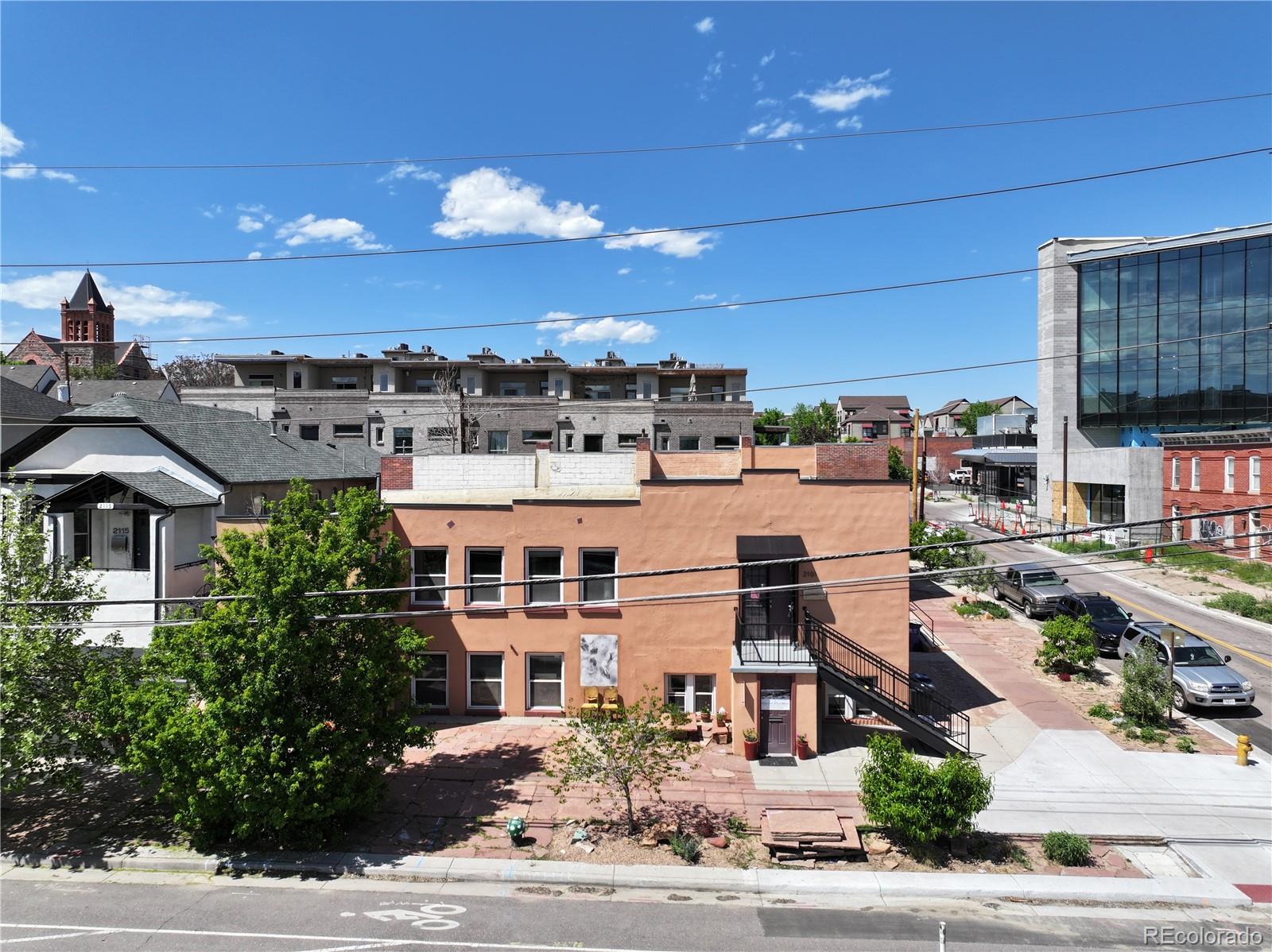
The architectural record tells the story of who came next. Wealthy early settlers built ornate Queen Anne and Italianate mansions, many of which still stand in the Potter-Highland historic district along streets like Vallejo and Zuni. As streetcar lines connected Highland to downtown, waves of Scottish, German, Italian, and later Hispanic immigrants arrived, adding Craftsman bungalows, Denver Squares, and modest worker cottages to the mix. By the mid-20th century, the neighborhood had faded into a quiet, ethnically diverse pocket of the city.
The modern transformation began in earnest in the early 2000s with the construction of the Highland Bridge — the pedestrian span connecting the neighborhood directly to Union Station. That single piece of infrastructure touched off an urban renaissance that brought restaurants, rooftop bars, modern slot homes, and a dramatic rise in property values. Today, Victorian brick sits shoulder-to-shoulder with glass-and-steel townhomes in a streetscape that functions as a living cross-section of Denver's entire residential history.
Two landmarks are worth singling out as symbols of that continuity. Linger, the celebrated restaurant at 2030 W. 30th Ave, occupies the former Olinger Mortuary building — its iconic neon sign is one of the most photographed in Denver. And the Historic Elitch Theatre on W. 38th Avenue marks the original location of Elitch Gardens, the amusement park that opened here in 1890 before relocating downtown a century later.
Highland sits in northwest Denver, occupying the high ground above the South Platte River and Confluence Park. Its official boundaries run north to W. 38th Avenue, south to Speer Boulevard and the South Platte, east to Interstate 25 (which separates it from downtown), and west to Federal Boulevard.
One clarification worth making: "The Highlands" is a casual term many people use for the entire area. The City of Denver formally distinguishes between Highland (the core LoHi area described here) and West Highland, which runs from Federal Boulevard west to Sheridan. West Highland is quieter, more residential, and centered around the Tennyson Street corridor — a different feel from the denser, more urban LoHi core.
Geographically, the neighborhood's defining feature is the bluff. The elevation rise above the South Platte River valley is significant enough to deliver panoramic downtown skyline views from several points along the ridge, and it creates a subtle microclimate — slightly breezier and more exposed than the sheltered streets below. The southeastern edge of the neighborhood touches Confluence Park, where the South Platte and Cherry Creek converge and where Denver's extensive regional trail network begins. From Highland, residents can walk across the Highland Bridge into Union Station and downtown in under 15 minutes, or access the South Platte River Trail on foot or bike for miles of off-street riding in either direction.
As of early 2026, the Highland market has shifted decisively away from the panic-buying era of 2021–2022 into something more measured. The word most agents use is "balanced," and for once it's accurate — neither buyers nor sellers hold a commanding advantage.
The median home price sits around $869,000, a significant premium over the broader Denver metro median of approximately $570,000. That gap reflects Highland's walkability, downtown proximity, and the concentration of high-demand inventory types like modern townhomes and renovated Victorians. Year-over-year appreciation has settled into the 1.6% to 2% range — steady, inflation-pacing growth that has replaced the double-digit spikes that defined the pandemic era.
Homes are taking 75 to 104 days to sell on average, a dramatic shift from the days-on-market figures seen at the 2022 peak. Active inventory has climbed 7–10% over the past year. For buyers, this means there is finally room to negotiate — interest rate buydowns, closing cost credits, and inspection contingencies are all back on the table. The exception is turnkey properties in prime LoHi locations, which still attract multiple offers and move faster than the neighborhood average.
For sellers, 2026 demands precision. Buyers in this market track price per square foot closely and are quick to ignore listings that appear to price in speculative future appreciation. The 21-day mark is the critical benchmark: homes that don't generate meaningful showing activity in the first three weeks are almost certainly overpriced and will likely require a 2–3% reduction before closing.
Highland is a high-density urban market. Sprawling yards and large lots are the exception rather than the rule. The inventory skews heavily toward vertical living and historical renovations.
Victorian and Tudor homes from the 1890s through 1930s — concentrated in the Potter-Highlands historic district — represent the neighborhood's most prestigious single-family inventory. Many have been comprehensively renovated with modern kitchens and systems while retaining their original architectural detailing. These typically range from $1.2M to $2.5M and above. Modern "slot homes," the narrow multi-story builds with rooftop decks that now define the LoHi skyline, cater to buyers prioritizing new construction and outdoor living space over square footage. These generally fall between $850K and $1.3M.
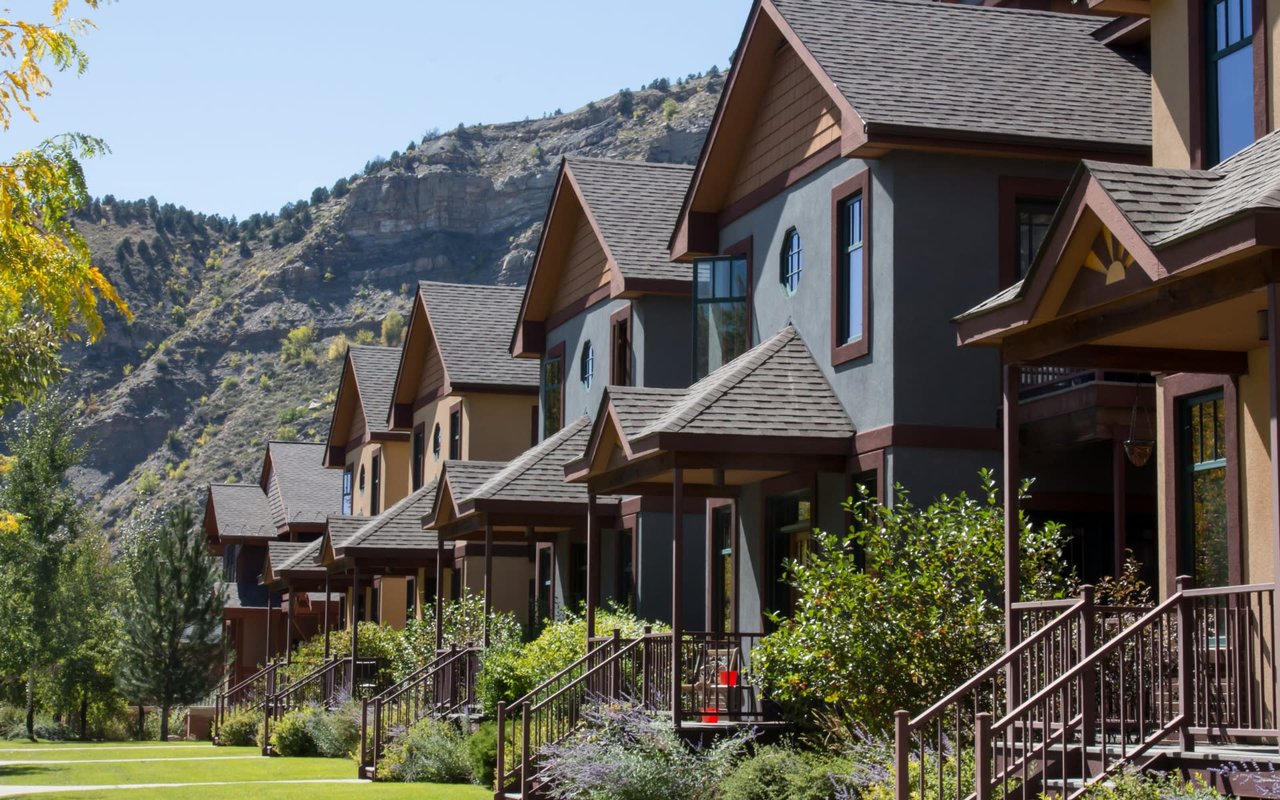
Townhomes are the most common inventory type and the primary entry point for buyers moving into the neighborhood. Most offer two to three bedrooms with attached garages and a "lock-and-leave" lifestyle priced between $700K and $950K. Condos and lofts — particularly near the Highland Bridge and along 15th Street — range from industrial-style live/work lofts to luxury glass-walled units, typically priced from $450K to $800K. For renters, luxury apartment communities like Line28 and Turntable offer high-end amenities including fitness centers and pet spas, with one-bedroom units starting above $2,000 per month.
Buyers looking for more traditional residential character — single-family bungalows, quieter streets, slightly larger lots — generally find better options in West Highland near the Tennyson Street corridor than in the denser LoHi core.
Buying in Highland requires a level of due diligence that goes beyond what most suburban purchases demand.
HOA costs deserve serious scrutiny. Monthly dues on modern townhomes and condos commonly run $300 to $600 or more. In 2026, sophisticated buyers are requesting reserve studies before closing — documents that reveal whether an HOA has the cash reserves to cover major future repairs or whether a special assessment (an unplanned lump-sum bill for a new roof, elevator, or structural repair) is looming. Don't skip this step.
Parking is an underrated issue. Street parking in LoHi is notoriously difficult, and a dedicated garage space can add $30,000 to $50,000 to a property's value. Units with only street parking are subject to the Highland Area Permit system, which limits non-resident parking but doesn't solve the problem for owners who need to accommodate guests or a second vehicle.
Structural and environmental risks vary significantly by property age and location. Victorian-era homes along the river side of the neighborhood may have aging Orangeburg or clay sewer lines that are prone to collapse — a sewer scope inspection is non-negotiable on any pre-war home. Modern slot homes built during the 2010s construction boom have a documented history of flat-roof drainage problems; ask specifically about past water intrusion during your inspection. Properties near Speer Boulevard or the South Platte River may fall within FEMA Zone A flood designations, triggering mandatory flood insurance that adds meaningfully to annual ownership costs.
Finally, zoning matters more in Highland than in most Denver neighborhoods. The area is extensively mixed-use, and a quiet residential street today can legally accommodate a five-story apartment complex or a rooftop bar tomorrow. Check the Denver Zoning Map — particularly for U-MX-3 designations and similar codes — before assuming the character of your immediate surroundings will be preserved. And if you're considering anything within a few blocks of I-25, visit the property during rush hour. The highway hum is constant and some buyers find it disqualifying; better to know before closing.
Sellers in 2026 are operating in a market where buyers have done their homework. Pricing discipline is the single most important factor in a successful sale. Highland buyers track price per square foot carefully and have enough inventory options to simply move on from listings that feel inflated. The 21-day rule is real: if you're not seeing meaningful activity in the first three weeks, your price is the problem.
Presentation matters more in Highland than in most Denver neighborhoods because the primary buyer demographic — young professionals and urban-minded empty nesters — has specific expectations. Rooftop decks are often more important to LoHi buyers than an additional bedroom. Stage them fully. Smart home features like Nest thermostats, smart locks, and EV charging in the garage have graduated from nice-to-have to baseline expectation for this buyer pool.
For sellers preparing to list, the highest-ROI improvements in the Mountain region as of 2026 include garage door replacement (which often returns over 100% of cost), a minor kitchen refresh focusing on cabinet paint and updated hardware in matte black or brushed gold finishes (returning close to 110%), and meaningful curb appeal work. In a neighborhood where homes are closely spaced, a fresh front door color and quality house numbers create real differentiation in a row of similar townhomes.
Timing follows a reliable pattern. The Highland market peaks in spring, and listing in late March or April captures buyers who want to be settled before the summer patio season — which, in LoHi, is essentially the social calendar. Getting in front of that wave rather than chasing it matters.
Highland has the highest concentration of notable restaurants in Denver, full stop. The neighborhood splits between two distinct commercial atmospheres: LoHi proper, which runs along 15th, 16th, and 17th Streets near the Highland Bridge, is high-energy and modern. Highland Square, centered on W. 32nd Ave and Lowell Boulevard, offers a slower, more neighborhood-scale village feel.
In LoHi, Linger (2030 W. 30th Ave) is the anchor — a former mortuary turned global street food destination with one of the best rooftop patios in the city. El Five next door serves Mediterranean tapas from a fifth-floor perch with unobstructed downtown views. Ash'Kara has earned Michelin Bib Gourmand recognition for its modern Israeli and Middle Eastern cuisine, and Alma Fonda Fina has established itself as the neighborhood's standout for elevated Mexican fare. Williams & Graham on W. 33rd Ave is nationally recognized — a genuine world-class speakeasy hidden behind a working bookstore and consistently ranked among the best cocktail bars in the country.
For nightlife and social eating, Avanti Food & Beverage (3200 Pecos St) is a converted shipping container food hall with a massive rooftop bar that functions as a de facto neighborhood gathering spot. Recess Beer Garden draws weekend crowds looking for a sprawling outdoor space to see and be seen.
In Highland Square, Bar Dough delivers high-end Italian and wood-fired pizza in a warm, neighborhood-focused environment. Duo, one of Denver's original farm-to-table restaurants, remains a reliable choice for a refined, unhurried dinner. For nightlife with a historic edge, the Oriental Theater just east in Berkeley hosts national music acts and comedy in a beautifully preserved 1920s venue.
Little Man Ice Cream at 2620 16th St deserves its own mention — the 28-foot-tall milk can is a genuine community institution that hosts live swing music and outdoor movies through the summer. It's not just ice cream; it's the neighborhood's public living room.
Highland is not a shopping neighborhood in the conventional sense — there is no big-box retail and the nearest major mall experience is a 15-minute drive to Cherry Creek Shopping Center. What it offers instead is one of Denver's best concentrations of independent boutiques and specialty shops, centered almost entirely on the W. 32nd Ave and Lowell Blvd corridor.
Strut and Boutique La Voga carry curated, high-end apparel. Wordshop handles stationery and gifts. 32nd Avenue Books, Toys & Gifts delivers the classic neighborhood bookstore experience, and Wax Trax Records serves the neighborhood's significant vinyl community. These businesses function as the connective tissue of Highland Square's identity — they're the reason residents walk rather than drive.
For daily grocery needs, Leevers Locavore on 38th Ave is a community-focused market that prioritizes Colorado-made products and includes a bar and coffee shop inside the store. For larger runs, Safeway and King Soopers sit on the neighborhood's outskirts near Federal Boulevard and Speer. Spinelli's Market fills the gourmet niche — a smaller Italian market stocked with high-quality deli meats and prepared foods that's worth the detour.
Highland's outdoor recreation is built around the South Platte River corridor rather than large standalone parks, and it connects residents to one of Denver's most extensive trail networks.
The South Platte River Trail runs along the neighborhood's eastern edge and is the primary artery for cycling and running — it's a paved, largely uninterrupted path that extends miles in both directions and connects directly into downtown and beyond. Confluence Park, where Cherry Creek meets the South Platte just below the Highland Bridge, is the neighborhood's informal "beach" — kayakers run the chutes in summer, and the surrounding green space fills with picnickers on warm weekends. The Cherry Creek Trail is accessible just across the river and adds more miles of off-street riding and running heading southeast toward the Cherry Creek Reservoir.
Within the neighborhood itself, Hirshorn Park in the heart of LoHi serves as the community's informal gathering space, with a baseball field that doubles as a popular dog area and a modern playground. Commons Park, just across the Highland Bridge, offers expansive lawns and some of the best downtown skyline views in the city. For those who prefer a quieter river experience, City of Cuernavaca Park provides open fields and good trail access with significantly less foot traffic.
The Denver Skatepark, one of the largest and most technically sophisticated in the country, sits right at the neighborhood's edge near the river. Willis Case Golf Course is a short 5 to 10-minute drive northwest for golfers.
Highland's culture is shaped by the collision of its history as a tightknit immigrant neighborhood and its current identity as Denver's most urbane address. The temperance town is long gone, but a sense of community pride and neighborhood identity remains unusually strong for an area that has gentrified as thoroughly as this one has.
The rhythm of daily life is distinctly social and outdoor-oriented. Boutique fitness studios — cycling, yoga, HIIT — are densely concentrated along the commercial corridors, and weekend mornings have a consistent ritual quality: workout, coffee, a walk past Little Man, maybe the farmers market. The Sunday market in Highland Square runs from May through October and draws residents as much for the social experience as for the local peaches and artisanal products.
The Highlands Street Fair in June is the neighborhood's signature annual event — a massive block party along W. 32nd Ave with hundreds of local vendors, multiple live music stages, and a dedicated kids' area that draws attendance from across the city. Rooftop sunset happy hours are a year-round cultural institution among Highland residents, particularly during the summer months.
Dogs are genuinely central to the neighborhood's social fabric. Highland may be the most dog-friendly neighborhood in Denver — breweries like Denver Beer Co. and virtually all restaurant patios expect and welcome dogs as a standard part of the clientele. It is more unusual to see a resident walking without a dog than with one.
The neighborhood skews toward young professionals and urban-oriented families who prioritize walkability and social density over space and quiet. It is not a neighborhood for people who want privacy and distance from their surroundings. It is a neighborhood for people who want to feel embedded in a place.
Highland is served by Denver Public Schools, which operates under a "SchoolChoice" system allowing families to apply to schools outside their immediate attendance boundary — a feature that significantly expands options for Highland residents beyond what neighborhood assignments alone would suggest.
At the high school level, North High School is the neighborhood's historic anchor and has undergone a meaningful academic resurgence in recent years. Its International Baccalaureate program is the centerpiece of that revival and draws academically motivated students from across northwest Denver. Skinner Middle School feeds North and functions as a high-performing innovation school with a rigorous core curriculum and strong parent engagement. At the elementary level, Brown Elementary in West Highland is an IB World School with high parent involvement ratings, and Bryant-Webster Dual Language offers a sought-after Spanish-English bilingual immersion program serving ECE through 8th grade.
Private options in the immediate area include Arrupe Jesuit High School just west of Federal Boulevard, known for its distinctive corporate work-study program that places students with local employers as part of the curriculum. For early childhood, Escuela de Guadalupe provides dual-language programming and the Highlands Micro School offers a small, personalized environment for families prioritizing low student-to-teacher ratios.
For higher education, Highland is positioned two miles from the Auraria Campus, Colorado's largest collective college campus, which hosts CU Denver, MSU Denver, and Community College of Denver. Regis University, a private Jesuit institution, sits approximately 10 minutes northwest.
Highland is among the most accessible neighborhoods in Denver for car-light living. Its Walk Score in the LoHi core consistently reaches 90 or above, meaning the majority of daily errands — groceries, coffee, dinner, fitness — can be completed on foot without a vehicle.
The Highland Bridge is the neighborhood's most important piece of transportation infrastructure. The pedestrian and bike span connects directly to Union Station, Denver's central transit hub, from which the A-Line train reaches Denver International Airport in roughly 37 minutes and light rail lines extend south and west across the metro. For bus service, RTD routes 31 (Federal Boulevard) and 32 (W. 32nd Avenue) provide high-frequency connections to the broader city.
Cycling is a legitimate primary transportation option. Dedicated bike lanes on 15th and 18th Streets allow riders to reach downtown in under 10 minutes, and the South Platte River Trail provides a safe, off-street alternative for longer commutes. E-bike and scooter share programs are well-represented in Highland, making short trips between the neighborhood's commercial pockets effortless.
For drivers, Highland's location at the junction of I-25 and I-70 offers strong metro-wide access. The Denver Tech Center is typically 20 to 30 minutes south via I-25 in normal traffic, and the central business district is less than five minutes via the 15th or 20th Street viaducts.
W. 32nd Ave between Lowell and Julian — the heart of Highland Square, lined with independent boutiques, longtime restaurants, and the Sunday farmers market. This is the street that defines the neighborhood's village character.
Zuni Street and Vallejo Street (between 31st and 36th) — the core of the Potter-Highlands historic district. These blocks contain the neighborhood's finest Victorian and Edwardian architecture, with original brick sidewalks and mature tree canopy that make them among the most visually distinctive residential streets in Denver.
15th Street (LoHi corridor) — the commercial and social spine of Lower Highland, running from the Highland Bridge up through the restaurant and bar district. Walking this stretch on a Friday evening is the clearest expression of what LoHi has become.
W. 38th Ave near Tennyson — the quieter, more residential edge of the neighborhood that transitions into the Highlands proper, offering a calmer daily rhythm with easy access to Leevers Locavore and Hirshorn Park.
Bryant Street (between 29th and 32nd) — a quieter residential block that sits within walking distance of the LoHi dining corridor but offers more architectural variety and slightly more breathing room than the streets immediately adjacent to the commercial hubs.
People who live in Highland tend to stay in Highland, and the reason isn't complicated. The neighborhood delivers the urban lifestyle that Denver's growth has promised but rarely fully delivered — genuine walkability, a dining scene with national credibility, architectural character that no amount of new construction can replicate, and the kind of embedded community feel that dense urban living usually trades away.
The skyline views from the bluff. The walk across the Highland Bridge to Union Station on a clear morning. The Sunday farmers market in Highland Square. Little Man on a summer evening with half the neighborhood standing in the same line. Williams & Graham on a slow Tuesday. These are the specific, irreplaceable experiences that Highland residents describe when asked why they've never left, and why so many people who do leave eventually find their way back.
It is a neighborhood that has been through multiple complete reinventions — temperance town, immigrant enclave, post-industrial decline, urban renaissance — and has come out the other side with more identity, not less. That's not something you can manufacture, and it's ultimately what makes Highland one of the most compelling places to live in Denver.
There's plenty to do around The Highlands, including shopping, dining, nightlife, parks, and more. Data provided by Walk Score and Yelp.
Explore popular things to do in the area, including Leprino Foods Company, Tillie2Table, and Japanese Karate of North Denver.
| Name | Category | Distance | Reviews |
Ratings by
Yelp
|
|---|---|---|---|---|
| Dining | 0.42 miles | 2 reviews | 3/5 stars | |
| Dining | 0.42 miles | 0 reviews | 0/5 stars | |
| Active | 0.11 miles | 0 reviews | 0/5 stars | |
| Active | 0.42 miles | 0 reviews | 0/5 stars | |
| Active | 0.5 miles | 0 reviews | 0/5 stars | |
| Beauty | 0.18 miles | 3 reviews | 4.7/5 stars | |
| Beauty | 0.41 miles | 0 reviews | 0/5 stars | |
| Beauty | 0.42 miles | 0 reviews | 0/5 stars | |
|
|
||||
|
|
||||
|
|
||||
|
|
||||
|
|
||||
|
|
The Highlands has 5,836 households, with an average household size of 2. Data provided by the U.S. Census Bureau. Here’s what the people living in The Highlands do for work — and how long it takes them to get there. Data provided by the U.S. Census Bureau. 10,269 people call The Highlands home. The population density is 11,817 and the largest age group is Data provided by the U.S. Census Bureau.
Total Population
Population Density Population Density This is the number of people per square mile in a neighborhood.
Median Age
Men vs Women
Population by Age Group
0-9 Years
10-17 Years
18-24 Years
25-64 Years
65-74 Years
75+ Years
Education Level
Total Households
Average Household Size
Average individual Income
Households with Children
With Children:
Without Children:
Marital Status
Blue vs White Collar Workers
Blue Collar:
White Collar:

Compass
1900 W 32nd Ave 3rd Fl
Denver, CO 80211
The Fox Group